
Notes on Survival
One of Three Poems (by Molly Zakoor)

Molly Zakoor (née Schulman) is a writer, editor, and the founder of Collabor Editorial. (We may also be related.) Molly is the story editor for iHeart Media's “Family Secrets” podcast and Senior Editor at Empress Editions. Her poetry has appeared in Sink Review, Just Place, and Burningword, among others. She is currently on submission with her debut novel—a multi-generational tale of show business—called “How to Cry on Cue.”
Molly’s work, as TEL often does, weaves together family, memory, and place. As part of the Adar Jewish Poetry Reading Challenge — h/t Erika Dreifus and Esther Poetry Journal— and TEL’s new occasional poetry focus (note: open submission guidelines coming soon), she offers one poem from a set of three about survival.
1.
Carrying those rocks was irresponsible – especially when it’s
grass soup for dinner.
There are mud-clumps in the corners of our eyes
and the dogs are mistaken for bigger guys, but usually, they’re only dogs.

Though dogs, they can be big and loud and illustrated.
They don’t even know where their noses are.

We have an inhale problem here; a rhythmic sort of throat, a ticket to somewhere not too far.
There are mud-clumps in our secret, second set of cuticles.

Spike was a poet before he was Spike.
Oblio was a planet, a boy.
There’s the answer if you’re never.

Inhabitable, glorious crawl space, we thank you for your offerings.


*

You are not a fish, you are not a fish.
I tried to remind you as you
hiccupped.

Ink pooled where skin was; pelts were misused
for decoration. Arrows were silenced for
safety; but, safety was make-believe, a frozen blonde in brass, somewhat
fossilized. Will she wake up in the basement
of a mall?

When time runs in
and through the faucet, it is gelatinous.
It is funny.
It is only temporary; all of it is only temporary.

Her car was a washing machine
so it did not fare well; it did not survive.
In its absence, though, she grew felt wings and she started to use
her lower register. Felt doesn’t flap well, but it does tend to survive.
But only temporarily.

The seeds inverted into sugars. Unwatered they still grew into board games with
a claw full of chewed pieces, and confusing instructions.
Eight and up; I just heard, it’s not Mike!
He’ll eat almost anything.
Except popcorn.

Mom says hang up.

Split-level, doctor, three blue sets of twins.
Long shirt.
Sad Susan, dizzy and not entirely usable, like a glass top.
Be careful; the bottle is permanently (temporarily) bolted to the fake wood.

We mourn when the boss returns from his Greece vacation;
we wear black like someone died;
we throw almonds in the big, big, urn;
we throw soft objects, sauce packets, out the window.

We become chairs, apart and still.

The wolf runs toward tin foil.
The snare catches my breath, instead of my food.
I want to find out if you snore.

If I found out you snored, I wouldn’t tell you, because it would scare and depress you.
But what doesn’t?
And why shouldn’t it?
It is scary, depressing, funny.
You do snore.

The cardigan never did get made.
Probably for the best, because it would scare and depress you.
You are not an arctic hiccup; you are a lengthy visitor, a redwood, an opportune galaxy.

He looks cool in whatever he wears.
He’s not wearing jeans.
He plays most sports.
Except basketball.
I know where he hangs out!
He’s not at the mall.

Vanta black is no joke.
Steady, now.
Correct your lenses.
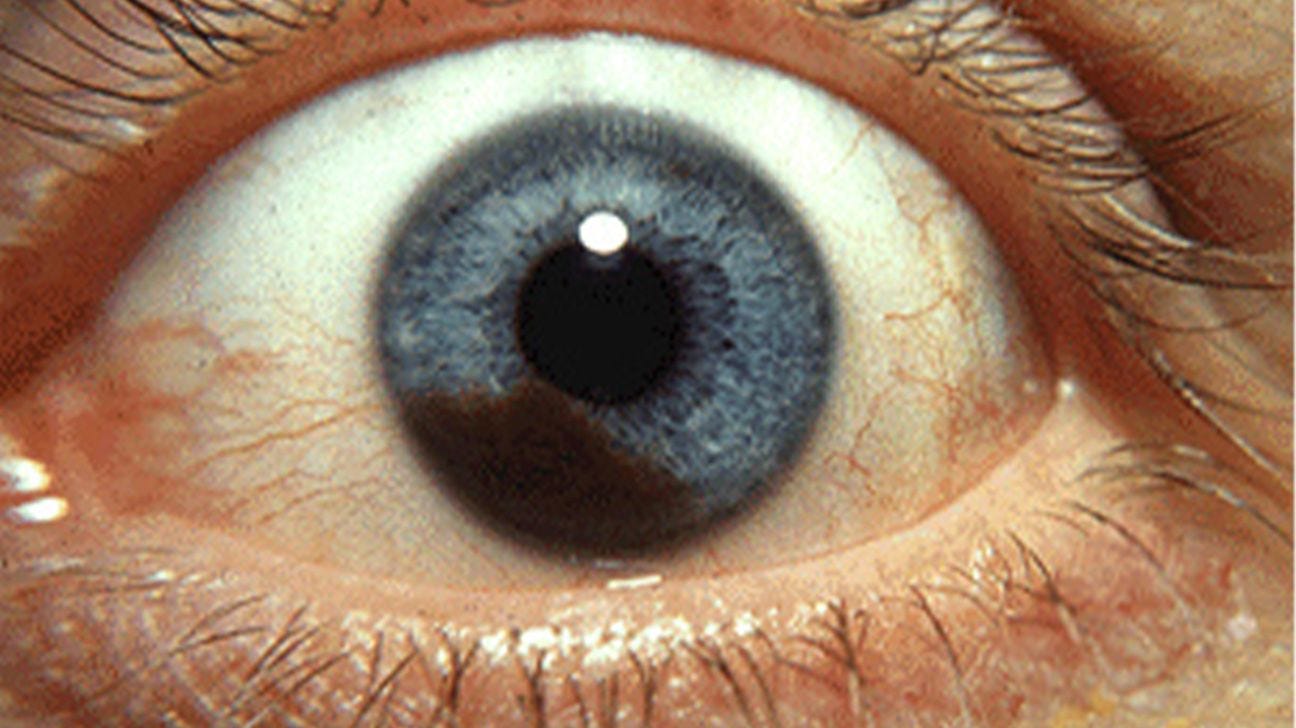
Monitor the nevus in your eye.

*

Riddled, the plants don’t know if they breathe; they do. They are orphaned, but still breathing and still okay.
The carrots are blistered and not in the culinary sort of way; think monkey bars, think child.
Bruises like this one feel good and right, melanin teeth upon peat.
Please, invite the vamps inside; let them see the reasons not to love you.
They’ll always love you from the other side of the door.

The clippings are freshly clipped, sticking to the dog’s chapped paw – best not to intervene, though.
She doesn’t like that. She’ll tell you with a quick, high, snap.

It might feel better in an underground or barnacled book, sodden and before
	the rest came.
It might feel warmer under the piano, after the dirge.
We appreciate the extra seating, the peat,
and the water.
We remember the chalk and the track and the quick, high.

The tree crashed into the car; that’s how he remembers it, at least.
How many times will she call up the memory of her foot inside the glass of warm hotel water?
She will confuse it with other cups and cars and corkboards.

How many colors should you use to paint a lifelike
carrot? How many shades of red for the cartoon blood? Is it even a cartoon, if you’re making the character bleed? Is it even—ever—a carrot?

Whatever ply mask you can find, turn it into an origami football or cup or frog, and give it to the last person, living or dead, you talked to. Don’t tell them I sent you, because I didn’t. Because I’m not.
TEL tells the story of Jewish histories in cityscapes across the diaspora. Never miss a post - subscribe now to support this work.